NEWS & ARTICLES
Understanding the Stages of Dementia and What Each Stage Means for Care
September 29, 2026
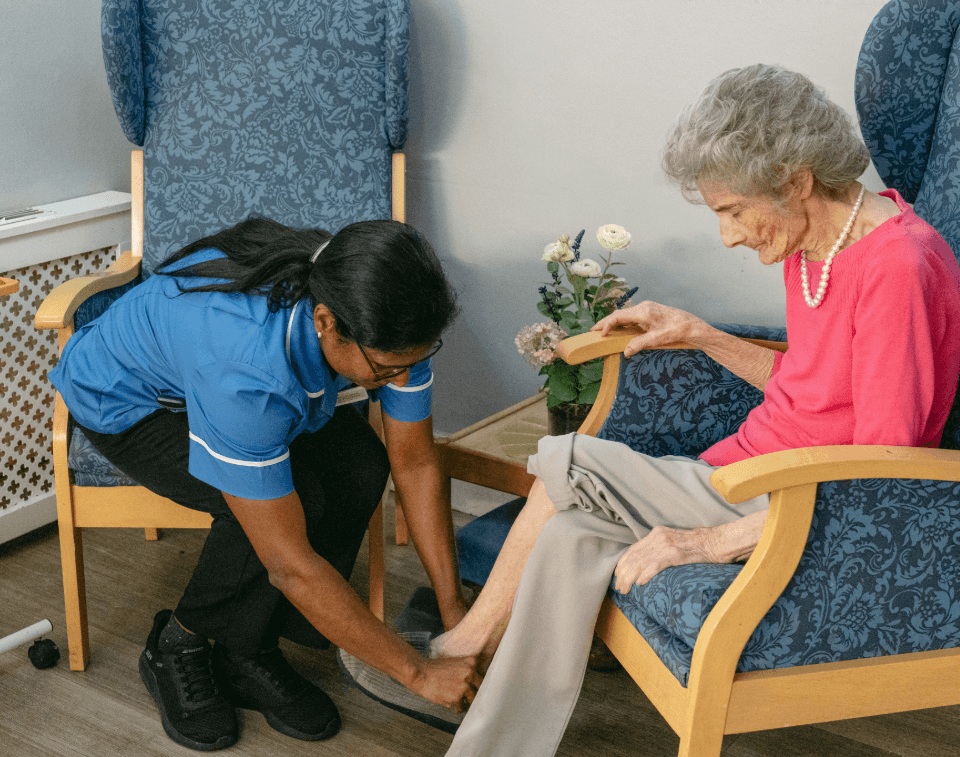
Dementia is usually described in three stages: early, middle and late. Each brings different needs, from occasional reminders to round the clock support. Everyone's journey is different, so think of the stages as a guide, not a timetable.
The three stages at a glance
Early stage: still very much themselves
In the early stage, most people carry on with much of daily life. The changes are real but often easy to explain away as stress, tiredness or just getting older.
You might notice:
- Forgetting recent conversations or appointments, while older memories stay clear
- Struggling to find the right word mid sentence
- Losing track of the date, or getting lost somewhere familiar
- Finding bills, cooking or planning more stressful than they used to
- Feeling anxious, low or withdrawn without an obvious reason
What helps most is gentle structure: a steady routine, written reminders, someone to help with the paperwork, and time spent with people they love. This is also the best moment to talk about wishes for the future, while your relative can still be fully part of the conversation.
Middle stage: when more hands-on help is needed
The middle stage is often the longest, and the one where families feel the change most. Everyday tasks that were manageable start to need someone alongside.
You might notice:
- Confusion about where they are, or what time of day it is
- Repeating the same question, or becoming upset without being able to say why
- Trouble with washing, dressing or choosing the right clothes
- Disturbed sleep, restlessness, or wanting to leave the house at odd hours
- Not always recognising family members, or mixing up names and faces
Safety becomes a bigger part of the picture at this point. Hobs left on, medication missed, or wandering outdoors are common reasons families start looking at a care home. A calm, familiar environment with consistent faces makes a real difference here, because routine and recognition help people feel secure even when memory is unreliable. Our dementia care is built around exactly that.
Late stage: comfort, dignity and closeness
In the late stage, someone may speak very little or not at all, and need help with almost everything. This is a time for gentle, patient care that focuses on comfort and connection.
You might notice:
- Very limited speech, or communicating mainly through expression, touch and tone
- Reduced mobility, and spending more time in bed or a chair
- Difficulty eating, drinking and swallowing
- Greater vulnerability to infections and skin problems
- Long periods of sleep
Clinical needs often increase here, which is why many families move to nursing care, with registered nurses on site around the clock, as at Bentley Lodge and Cams Ridge. Comfort matters just as much as clinical skill. Familiar music, a hand held, a favourite voice, these still land, long after words have gone. Where the focus is on comfort, palliative care can also support both the person and their family.
Signs that care needs are changing
The stage matters less than what's happening day to day. It may be time to think about more support if:
- Safety worries are keeping you awake at night
- Meals, medication or personal care are being missed
- Your relative is becoming isolated, anxious or unsettled at home
- You're exhausted and don't have anyone to share the load with
- A fall, a hospital stay or a crisis has changed what feels manageable
If you're a family carer feeling stretched, a short respite stay can give you a breather and show you what a care home is really like, with no long term commitment.
A view from the sector
Families often ask us which stage their relative is in, as though there's a test that gives a clear answer. There isn't. Stages blur, and people can have good days and hard days in the same week. In our experience, the label matters far less than the question underneath it: is my relative safe, comfortable and still enjoying life? If the answer is starting to be "not quite", that's the moment to talk to someone, not when it becomes a crisis. Many of the families we meet tell us they wish they'd asked sooner.
If you'd like to see what a good day can look like, read what a good day looks like for a resident living with dementia.
Common questions
Does everyone go through all three stages? Most people with progressive dementia will move through changes like these, but the pace, order and shape differ from person to person and depending on the type of dementia. Treat the stages as a rough map, not a fixed route.
How long does each stage last? There's no reliable timetable. Some people stay in one stage for years, others change more quickly. A GP or dementia specialist can talk about what to expect for your relative.
Can this page tell me which stage my relative is in? No. Only a health professional who knows your relative can do that. If you're worried about memory changes, the first step is a conversation with their GP.
Can someone stay in the same home as their needs change? It depends on the home. Nursing support is available on site at Bentley Lodge and Cams Ridge, so needs that increase over time can often be met without a move. It's always worth asking a home directly what it can and can't provide.
Talk to someone who understands
Every family's situation is different, and there's no pressure to have it all figured out. If you'd like to talk through what your relative needs now, or what might be coming, get in touch and we'll take it one step at a time, together.