NEWS & ARTICLES
We Tried Sound Bath Therapy at Stanborough Lodge. Here Is What Happened
July 7, 2026
Written by
Joanna Sage
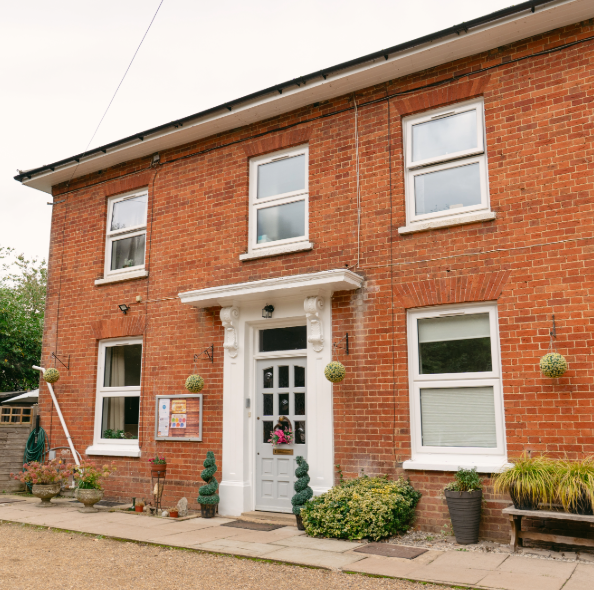
We are always looking for ways to support our residents' wellbeing beyond the routine of daily care. Recently, Stanborough Lodge hosted its first sound bath therapy session, and the response from residents was something we did not fully anticipate.
This is not something we have rolled out as a permanent fixture. It was a first session, run with a qualified practitioner, and we wanted to share what we observed and why we are taking it seriously as something to build on.
What a Sound Bath Actually Is
Sound bath therapy uses resonant instruments, typically singing bowls, gongs, and chimes, to produce sustained tones that wash over participants. It requires nothing from the person experiencing it. You simply lie or sit comfortably and allow the sound to work.
That passivity is precisely what makes it well-suited to care home residents, particularly those living with dementia, anxiety, or chronic pain. There is no task to complete, no cognitive demand, and no pressure to engage in a particular way. The experience meets people wherever they are on a given day.
What the Evidence Suggests
Before the session, we looked at what research exists on sound therapy in residential care settings. It points to a consistent set of potential benefits:
- Reduced agitation, particularly in residents with moderate to advanced dementia
- Lower reported pain levels during and after sessions
- Improved sleep quality in the days following a session
- Measurable reductions in anxiety in residents who struggle with verbal communication
Sound is also one of the few sensory experiences that can reach residents in later-stage dementia who have become less responsive to conversation or visual stimulation. The vibration is felt as much as heard, which creates a form of engagement that does not depend on cognitive function.
How the Session Ran
The session was led by a qualified practitioner and kept deliberately small. Residents attended in a group, with the practitioner adjusting positioning and proximity based on individual needs and mobility.
The session lasted approximately 45 minutes, including a short settling period at the start and quiet time at the end before residents returned to the main areas of the home. Attendance was entirely voluntary, and some residents chose simply to sit near the door and listen from a distance rather than come fully into the room.
"What struck us was that some residents who rarely engage with structured activities were completely at ease in this session. The lack of expectation seems to matter. Nobody is performing or trying. They are just present."
Who Seemed to Benefit Most
Based on what we observed in this first session, certain groups of residents responded particularly well:
- Residents with dementia who can find group activities overstimulating but settled easily into the passive nature of the experience
- Residents managing chronic pain or physical discomfort, several of whom appeared visibly more relaxed during and after the session
- Residents who are newer to the home and still settling in, for whom the low-pressure environment offered a gentle shared experience
- Residents who tend toward anxiety or restlessness, who were noticeably calmer afterwards
These are early observations from a single session rather than established findings, and we are cautious about overstating them. What we can say is that the response was positive enough to make us want to do it again.
Why This Fits Our Approach
We have always believed that quality care extends beyond physical health. Emotional and sensory wellbeing shapes how residents experience every part of their day, and we are genuinely interested in therapies that support that, particularly for residents for whom more conventional activities are not always accessible.
If the response continues to be positive, we will look at offering sound bath sessions more regularly. We will also be keeping an eye on whether the benefits described in the research, around sleep, pain, and agitation, show up over time for our residents specifically.
If you would like to know more about the activity programme at Stanborough Lodge or arrange a visit, we are happy to hear from you.

Joanna Sage
Home Manager, Stanborough Lodge
Julie joined Bentley Lodge in April 2023, bringing over 30 years of experience in the care sector.